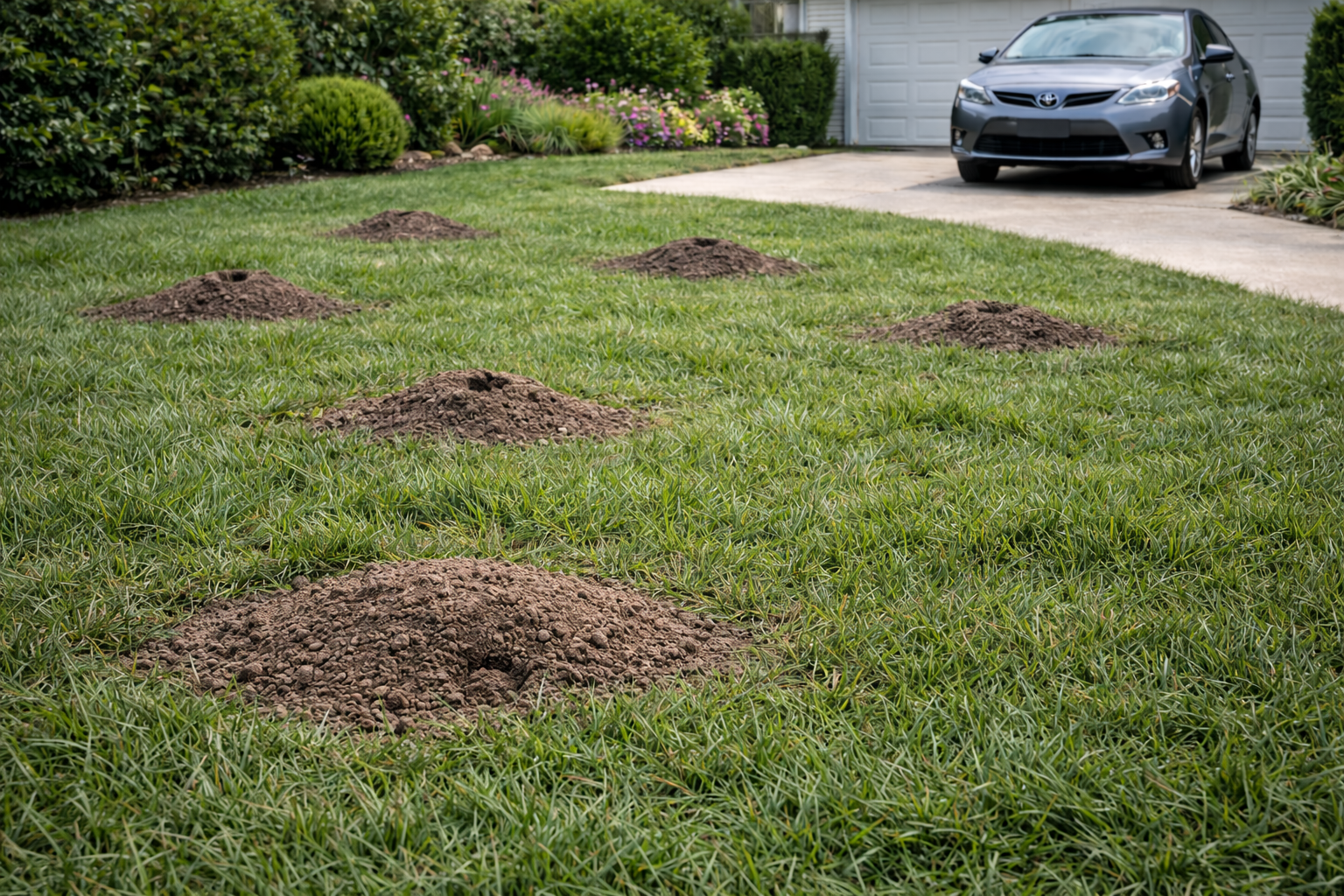
Gopher Activity in Santa Barbara, CA
Gophers are a persistent presence throughout Santa Barbara County, from the coastal neighborhoods of Montecito to the inland valleys near Santa Ynez. These burrowing rodents thrive in the region's Mediterranean climate and diverse soil compositions, making property maintenance and landscape preservation an ongoing consideration for residents. Understanding gopher behavior and activity patterns helps homeowners recognize problems early and make informed decisions about their yards.
Why Santa Barbara Has Significant Gopher Activity
Santa Barbara's geography and climate create ideal conditions for gopher populations. The region's varied terrain includes sandy loam soils in many residential areas, particularly in neighborhoods like Hope Ranch and the Riviera, as well as clay-heavy soils in other districts. These soil types are relatively easy for gophers to excavate, allowing them to establish extensive burrow systems with minimal effort.
The county's Mediterranean climate—characterized by mild, wet winters and dry summers—supports year-round gopher activity. Winter rains soften the soil, making digging easier during the primary breeding season. Summer irrigation in landscaped properties maintains the soil moisture that gophers require to survive during naturally dry months. Santa Barbara's coastal influence also means that many areas experience consistent humidity levels that favor gopher tunneling.
Additionally, Santa Barbara's proximity to undeveloped wildlands, including the Los Olivos area and the Santa Ynez Mountains, means gophers have natural habitat nearby. They migrate from these wild areas into residential zones seeking food and suitable soil. The chaparral and oak woodland ecosystems that dominate much of Santa Barbara County provide gopher populations with ample space to thrive before spreading into suburban areas.
Common Gopher Species in Santa Barbara
The Botta's pocket gopher (Thomomys bottae) is the primary gopher species found throughout Santa Barbara County. This species is named for the fur-lined cheek pouches that males use during breeding season, though the term "pocket" actually refers to the external pouches that all pocket gophers possess.
Adult Botta's pocket gophers typically measure 5 to 7 inches in body length, with small eyes and reduced ear visibility—adaptations for life underground. Their fur color varies from light brown to nearly black, depending on the specific soil composition in their habitat. Santa Barbara's gophers often display darker coloration in areas with rich, dark soil, while lighter individuals appear more frequently in sandy regions. Their front feet are equipped with large claws specifically designed for digging, and they use their small, sensitive tail to navigate tunnels in darkness.
These gophers are solitary, territorial animals that rarely tolerate other gophers in their burrow systems. A single gopher can control territories ranging from several hundred to several thousand square feet, depending on food availability and soil quality. In Santa Barbara's established neighborhoods, where lawns and gardens provide consistent food sources, individual gophers may establish smaller territories with higher-density populations overall.
When Gopher Activity Peaks in Santa Barbara
Gopher activity in Santa Barbara follows predictable seasonal patterns tied to the region's climate. Winter represents the peak breeding season, typically beginning in January and extending through March. During these months, gophers become more active as they seek mates and establish family groups. The increased digging activity during winter and early spring is often the first sign residents notice of gopher presence.
Spring rains, common from February through April in Santa Barbara, soften the soil and make tunneling significantly easier. Gophers take advantage of these conditions to expand their burrow systems and create new feeding tunnels. This expansion period coincides with active plant growth in landscaped yards, providing fresh food sources that attract gophers deeper into residential areas.
Summer months see continued activity, particularly where irrigation sustains soil moisture. The dry season would normally force gophers deeper underground, but landscape irrigation in yards throughout Santa Barbara—from Carpinteria to Goleta—maintains surface-level conditions suitable for feeding. Fall activity declines somewhat as temperatures cool and plants become less nutritious, but gophers remain active year-round in Santa Barbara's mild climate. Unlike gophers in colder regions that enter periods of dormancy, Santa Barbara's population maintains fairly consistent activity levels throughout the year.
Signs of Gopher Damage in Santa Barbara Yards
The most visible sign of gopher presence is the characteristic mound of excavated soil. Santa Barbara homeowners should watch for crescent or horseshoe-shaped mounds, typically 4 to 6 inches high and 8 to 12 inches wide. These mounds appear in lawns, garden beds, and landscaped areas throughout neighborhoods like Samarkand, East Santa Barbara, and the hills above Hope Ranch. Gophers push soil directly upward from their tunnels, creating these distinctive formations as they construct new burrows.
Subsurface tunneling causes additional damage that becomes apparent over time. Gophers create horizontal feeding tunnels just beneath the soil surface, disrupting lawn integrity and causing uneven, spongy areas. In yards with established irrigation systems—common throughout Santa Barbara—gophers damage drip lines and soaker hoses by tunneling directly through them or severing lines while digging. Property owners often discover irrigation damage when formerly green areas suddenly begin showing stress despite normal watering schedules.
Plant damage offers another clear indicator of gopher activity. Young trees, shrubs, and perennials in Santa Barbara yards show unexplained wilting or sudden death when gophers gnaw on roots from below. Gophers favor tender roots of plants like fruit trees, ornamental trees, and garden vegetables. In coastal properties with native plants, gophers may also target roots of drought-resistant species, though irrigated gardens and ornamental plants typically suffer more significant damage due to their proximity and palatability.
Landscape Considerations for Santa Barbara Properties
Santa Barbara's distinctive landscaping aesthetic, influenced by Mediterranean, Spanish Colonial, and California native plant traditions, influences how gopher activity affects properties. Many residential yards throughout the county feature a combination of hardscape elements—stone patios, gravel pathways, and drought-resistant xeriscaping—alongside traditional lawn areas and irrigated gardens. Properties in neighborhoods like Montecito often showcase elaborate gardens with specimen plants that gophers find particularly attractive.
Certain plants common to Santa Barbara landscaping face greater gopher pressure. Fruit trees, including citrus, stone fruits, and pomegranates that appear in many residential gardens, have tender roots particularly vulnerable to gopher damage. Vegetable gardens throughout the county suffer significant losses when gophers tunnel through beds. Ornamental trees like crape myrtles, which thrive in Santa Barbara's climate and appear frequently in residential landscaping, also face root damage risks.
Native California plants used in water-conscious Santa Barbara gardens show varied vulnerability. Drought-tolerant natives like California live oak and coast live oak have more resilient root systems, but younger trees still suffer damage. In contrast, properties emphasizing non-native ornamentals or traditional lawn-and-garden layouts face more intensive gopher activity. Hardscape-heavy designs, popular in Santa Barbara's drier inland areas, reduce gopher habitat by providing less suitable soil for tunneling. Understanding these landscape-specific vulnerabilities helps Santa Barbara property owners anticipate potential damage patterns and make informed maintenance decisions.
For professional gopher control in Southern California, visit Rodent Guys — serving Los Angeles, Orange, San Bernardino, and Riverside counties.